

Table of Contents
Introduction
Have you ever wondered how life expectancy is calculated or what factors influence how long people live? Many people search online for When Will I Die Death Calculator because they are curious about aging, longevity, and life expectancy.
However, it is important to understand that no website or mathematical formula can accurately predict an individual’s future or exact lifespan. Life expectancy is a statistical estimate based on population data, not a personal prediction.
In this guide, we explore five reputable resources that provide useful information about chronological age, life expectancy, population statistics, and healthy living.
1. Chronological Age Calculator – ChronologicalAgeCalcu.com
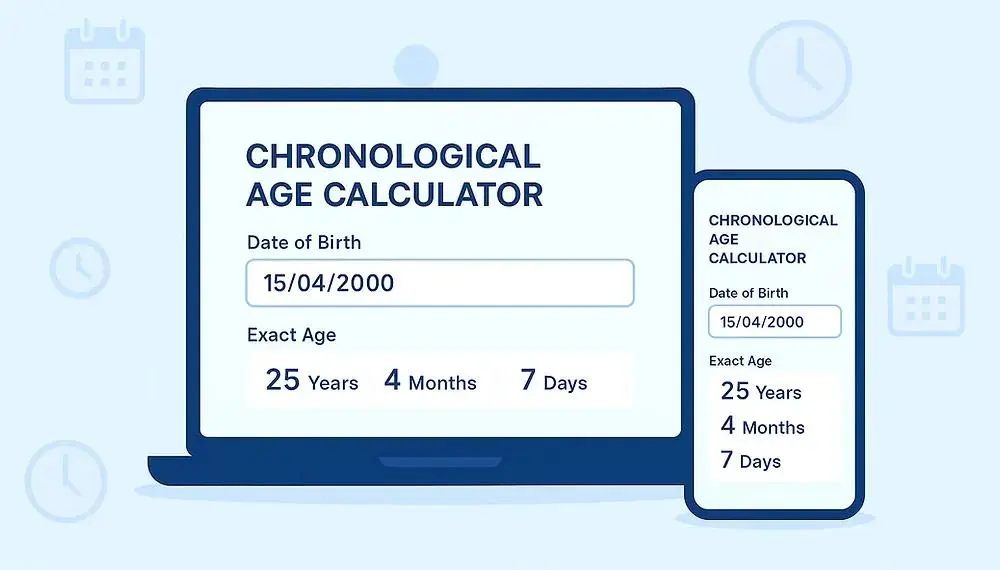
Chronological Age Calculator is a useful online resource for people who want to understand their current age accurately.
Unlike websites that make unrealistic promises about predicting the future, this platform focuses on calculating chronological age using a person’s date of birth.
Key Features:
- Calculate chronological age using date of birth.
- Understand your age in years, months, and days.
- Find the difference between two dates.
- Explore additional age-related calculation tools.
- Use an accessible online calculator without complicated steps.
If you are researching how age is connected to life expectancy, knowing your exact chronological age is a useful starting point.
Visit: ChronologicalAgeCalcu.com
2. World Health Organization (WHO)
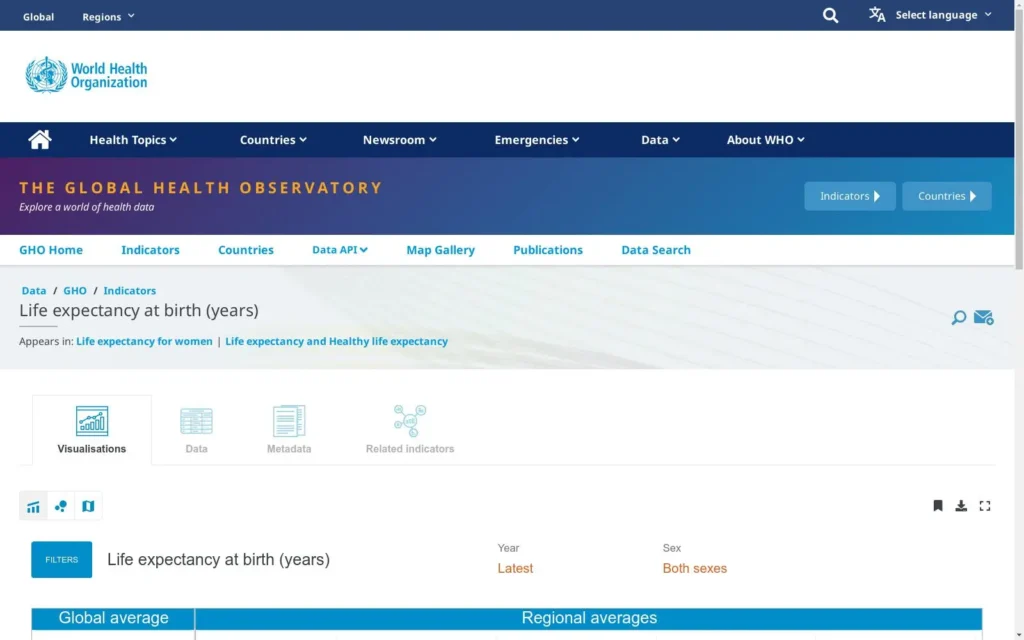
The World Health Organization (WHO) is one of the most trusted international sources for public health information.
Its life expectancy data explains how average lifespan is measured across different countries and populations.
What You Can Explore:
- Life expectancy statistics.
- Healthy life expectancy information.
- Global health indicators.
- Population health trends.
- Country-level health information.
WHO explains that life expectancy is calculated using age-specific mortality rates. These figures describe population patterns rather than predicting an individual’s future.
Visit: WHO Life Expectancy Data
3. Centers for Disease Control and Prevention (CDC)
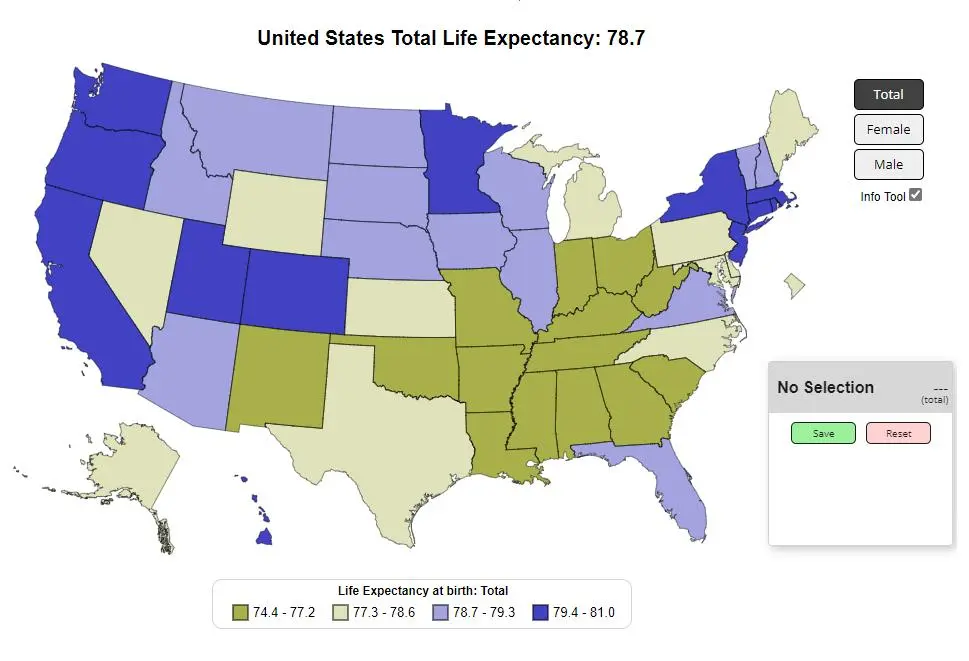
The Centers for Disease Control and Prevention (CDC) provides official health statistics and life tables for the United States.
Its resources help readers understand how researchers study population longevity and changes in life expectancy over time.
Important Information Available:
- Life expectancy statistics.
- Annual population life tables.
- Age-based statistical information.
- Mortality and survival statistics.
- Research about population health.
This resource is especially useful for understanding how statistical life expectancy works.
Visit: CDC Life Expectancy Resources
4. United Nations Population Division
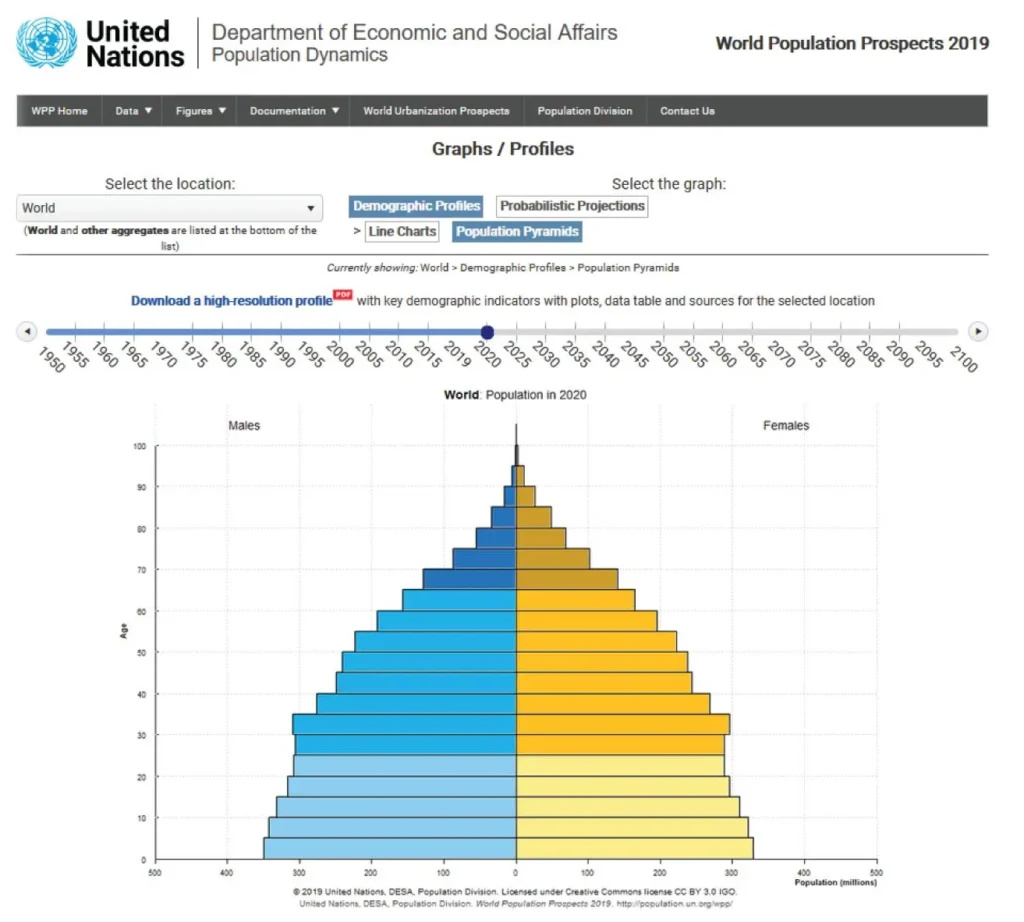
The United Nations Population Division provides demographic information about countries and populations around the world.
Its World Population Prospects database includes information about population growth, mortality, and life expectancy.
Main Features:
- Global population statistics.
- Country-based demographic information.
- Historical population trends.
- Life expectancy estimates.
- Population projections.
It is a valuable resource for students, researchers, and anyone interested in understanding how population statistics are developed.
Visit: United Nations Population Data Portal.
5. Office for National Statistics (ONS)
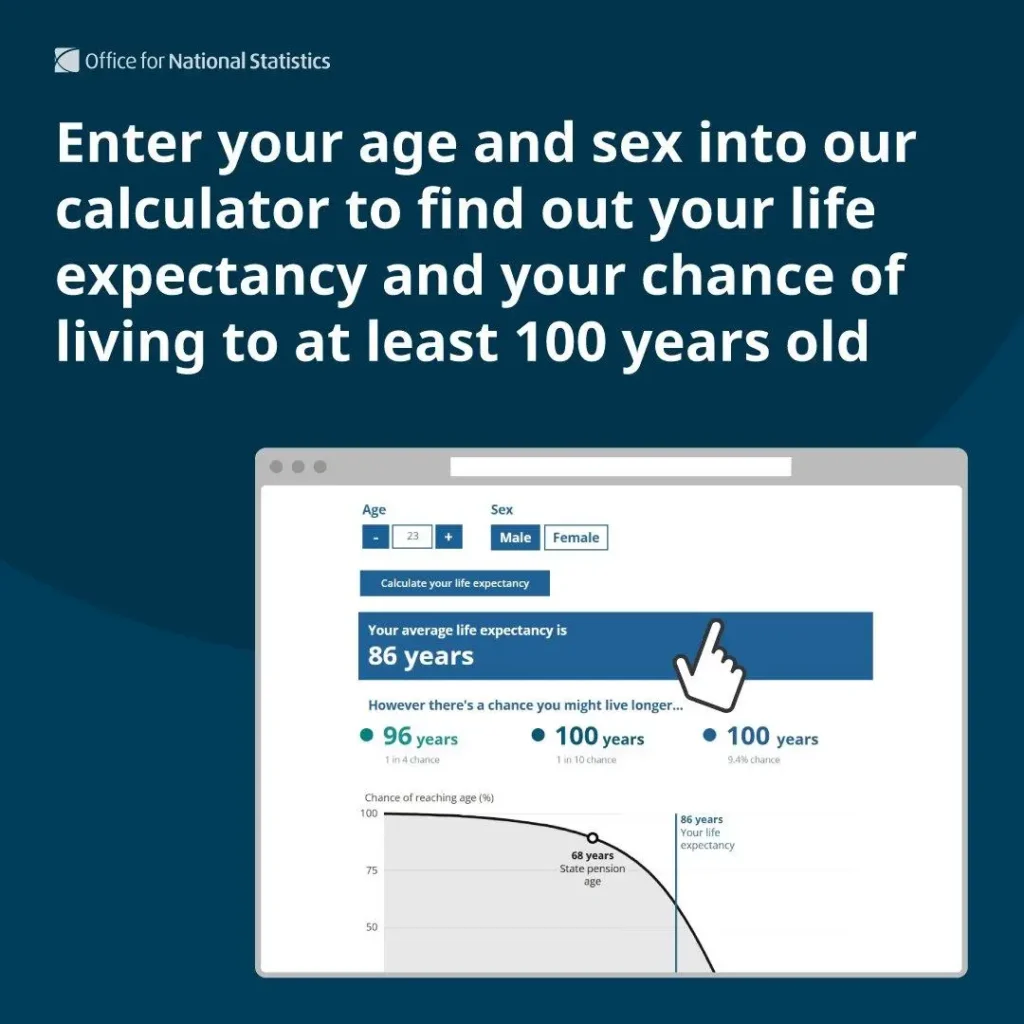
The Office for National Statistics (ONS) is the UK’s official statistics authority.
It publishes detailed information about life expectancy, population changes, and demographic research.
What Makes It Useful:
- Historical life expectancy data.
- Population statistics.
- Life table explanations.
- Future population projections.
- Research about demographic changes.
Its guides also explain the difference between period and cohort life expectancy, helping readers understand how these statistical measurements work.
Visit: ONS Life Expectancy Guide. Office for National Statistics
What Is a Death Calculator?
A death calculator is a term commonly used for online tools that claim to estimate how long someone might live. Such tools may use general information about age, lifestyle, or population statistics.
However, an online calculator cannot determine your exact lifespan or death date.
Life expectancy is a population-level statistical measurement. It can change depending on the country, time period, and demographic information used in the calculation.
What Factors Influence Life Expectancy?
Several broad factors can influence population life expectancy:
- Healthcare access: Access to quality healthcare contributes to better health outcomes.
- Lifestyle: Daily habits can influence overall health and well-being.
- Environment: Living conditions and environmental quality affect public health.
- Nutrition: Balanced nutrition supports general health.
- Public health services: Vaccination, sanitation, and preventive healthcare contribute to population health.
These factors do not provide a formula for calculating an individual’s future.
Life Expectancy vs. Chronological Age
Understanding the difference between these two terms is important.
| Chronological Age | Life Expectancy |
|---|---|
| Your actual age | A statistical population estimate |
| Calculated from date of birth | Calculated using demographic data |
| Expressed in years, months, and days | Usually expressed in years |
| Can be calculated accurately | Cannot predict an individual’s lifespan |
Frequently Asked Questions
1. When will I die according to my date of birth?
Your date of birth can help calculate your chronological age, but it cannot determine your exact future lifespan.
2. Can a death calculator predict my exact death date?
No. Online calculators cannot reliably predict an individual’s exact death date.
3. What is the difference between a death calculator and a life expectancy calculator?
A death calculator is often marketed as predicting a future date, while a life expectancy calculator generally uses statistical information to explain average lifespan estimates.
4. Is chronological age important when understanding life expectancy?
Yes. Chronological age is one of the measurements used in demographic life tables and population statistics.
5. Which website can calculate my chronological age?
You can use ChronologicalAgeCalcu.com to calculate your age from your date of birth.
Conclusion
Searching for When Will I Die Death Calculator can lead to many websites offering different types of predictions. However, it is important to distinguish entertainment-based estimates from reliable statistical information.
Resources such as WHO, CDC, the United Nations, and ONS provide credible information about life expectancy and population health. Meanwhile, ChronologicalAgeCalcu.com offers a practical way to calculate chronological age and explore age-related tools.
Remember: Life expectancy is a statistical concept, not a deadline for any individual. Focus on learning about health, well-being, and making the most of everyday life.